Filmmaking
Insights into the filmmaking aspect of the adventure lifestyle — capturing visual stories from the field, behind the lens and beyond.
Behind the Scenes of Adventure Documentation
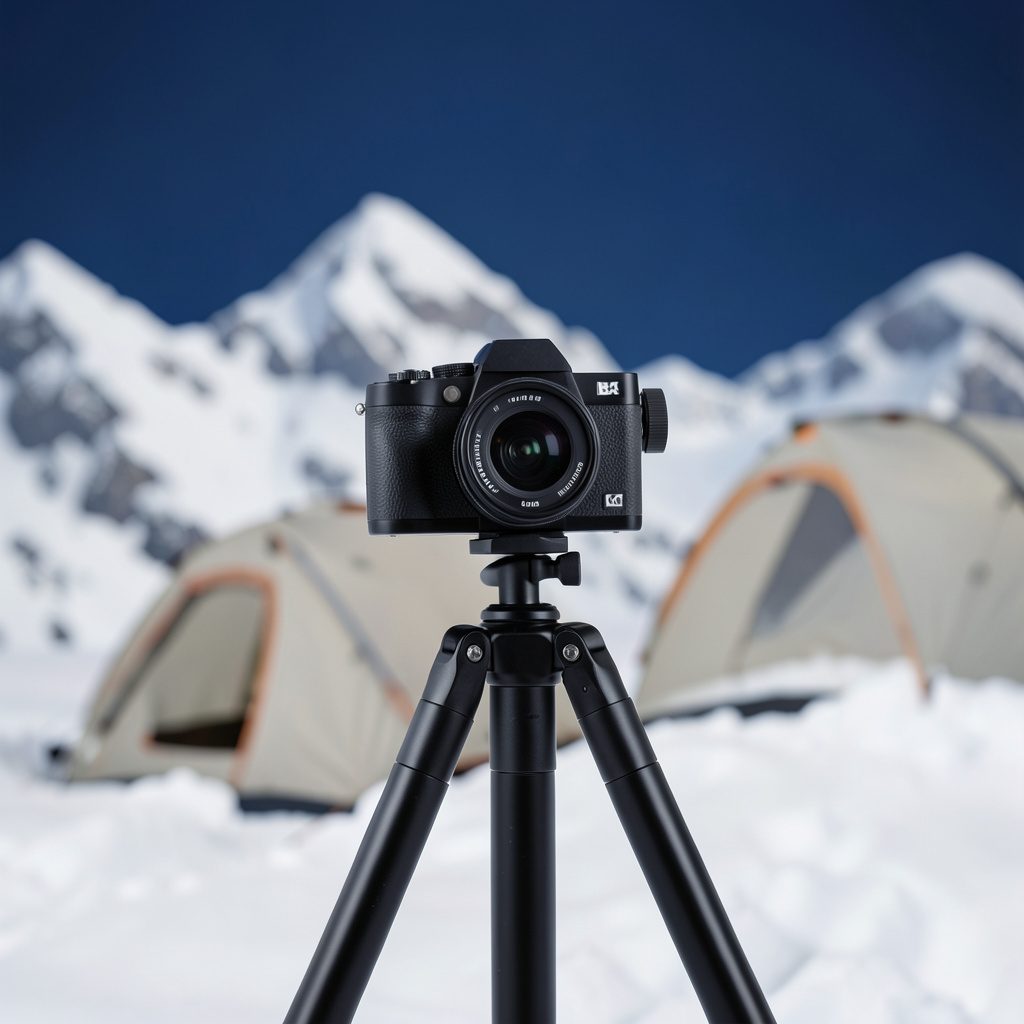
Filmmaking in the backcountry demands a different kind of preparation. Alongside ropes, crampons, and skis, the pack carries cameras, lenses, and audio gear — each piece adding weight and complexity to an already demanding day out.
From the glaciers of Alaska to the summits of the North Cascades, capturing authentic moments means being ready when conditions align. It's about anticipating the shot while staying present in the experience itself.
Filmmaking in the mountains is a discipline that merges technical skill with physical endurance. Carrying camera gear alongside standard climbing equipment means every ounce counts, and every piece of electronics must withstand freezing temperatures, blowing snow, and the occasional dunk in a creek. The payoff comes when the light breaks across a hidden valley or a skier drops into an untouched line, and the lens captures what the eye can barely hold. These are not staged productions but real-time documentation of human movement through wild terrain, where the filmmaker is as much an athlete as an artist.
The backcountry filmmaker learns to read conditions like a skier reads snow. Battery life, lens fog, and audio interference become variables as critical as avalanche danger and route finding. Some of the most compelling footage comes from moments of struggle—the heavy breath after a long skin track, the quiet calm before a steep descent, the raw reaction after an unexpected fall. These unscripted glimpses into the adventure lifestyle reveal the truth behind the polished images that make it onto social feeds and outdoor conference screens.
Storytelling from the field requires patience and a willingness to miss the shot. Many days end without usable footage, but the time spent observing pays dividends when the right moment arrives. Whether documenting a first descent or a simple sunrise from a rocky peak, the goal remains the same: to transport viewers into the experience and inspire them to protect the wild places that make such adventures possible. The camera becomes a tool for connection, bridging the gap between those in the mountains and those dreaming of them.
Visual Storytelling Techniques
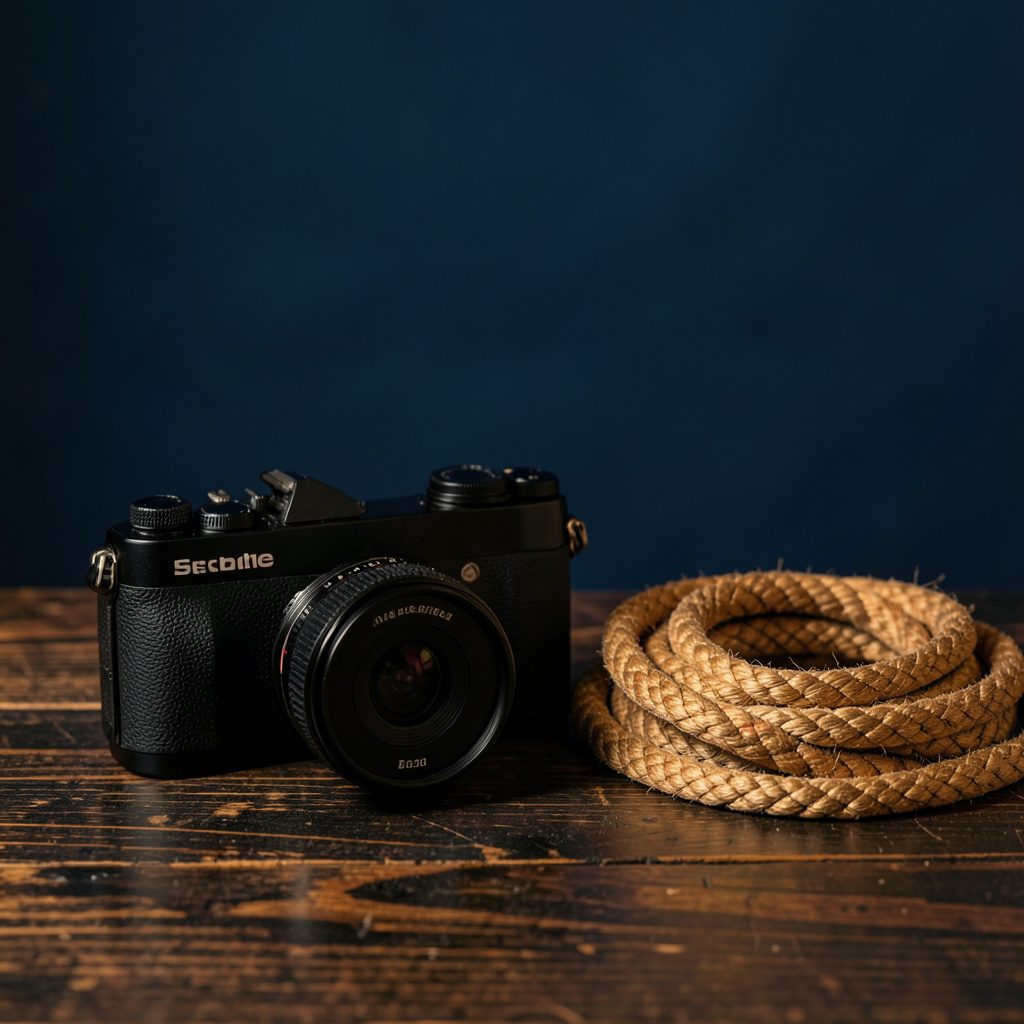
Great adventure storytelling blends technical skill with narrative instinct. The goal isn't just to document a climb or a ski descent — it's to convey the emotion, the struggle, and the quiet moments between the action.
- Using natural light to shape mood in alpine environments
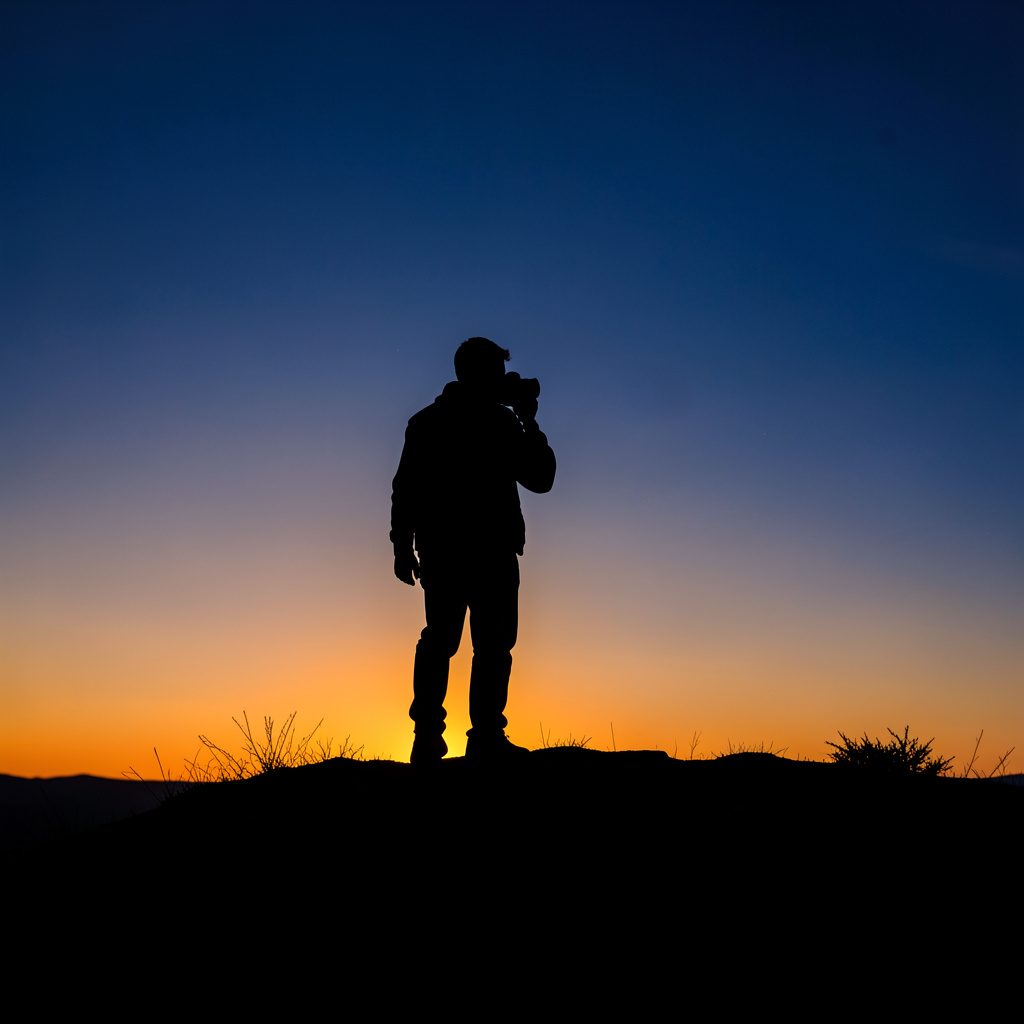
- Framing the human figure against vast landscapes for scale
- Capturing candid moments rather than staged hero shots
- Weaving stills and motion into a cohesive narrative arc
Where Film Meets the Outdoors
Film isn't separate from the adventure — it's woven into it. The same discipline that gets you up a technical route or down a steep couloir applies to shooting in harsh conditions: patience, adaptability, and a willingness to fail and try again.
Whether documenting a solo trip through the Everglades or a team push up Rainier, the camera becomes another tool in the kit — one that preserves the story long after the boots are dry.