Outdoor Travel Preparation
Heading into the backcountry or onto a remote trail demands more than just a packed bag. Years of trips across the North Cascades, Alaska glaciers, and the canyons of Utah have reinforced a few essentials: check weather patterns days in advance, share your itinerary with someone you trust, and carry more water than you think you'll need. Small oversights compound quickly when you're miles from the nearest road.
Layering is the single most important clothing strategy for variable mountain conditions. A reliable base layer, an insulating mid-layer like the Montane Volt Fleece, and a weather-resistant outer shell can keep you comfortable across a wide temperature range without overpacking.
Packing for a backcountry adventure is about more than just filling a bag with gear. Every item should earn its place through versatility and reliability, because conditions can shift without warning and help is rarely close at hand. The difference between a successful outing and a dangerous situation often comes down to small details: an extra layer stashed in a dry bag, a headlamp with fresh batteries, or a simple repair kit for broken straps and buckles. Over time, experience teaches you to trust your instincts while still respecting the mountain's unpredictability. Preparation isn't about fear — it's about freedom, because knowing you're ready lets you focus entirely on the experience ahead.
Navigation skills remain one of the most overlooked aspects of modern travel, especially in remote terrain where phone signals vanish and trails fade under fresh snow. A paper map and a reliable compass should always accompany any digital device, and knowing how to use them before you need them is what separates confident travelers from those who rely on luck. Reading the landscape — identifying drainage patterns, recognizing ridge lines, and understanding how weather moves through a valley — turns a simple hike into a deeper conversation with the environment. These are quiet skills that build slowly but serve for a lifetime, no matter where your path leads.
Traveling through wild places reshapes how you see both the world and your place within it. The long approaches, the heavy packs, the early mornings before dawn — these moments strip away distraction and leave something more honest behind. There is a particular clarity that comes from moving across a glacier under your own power or climbing a ridgeline as the sun breaks over distant peaks. These experiences don't require perfection; they require presence. Whether you're skiing a couloir you've studied for months or hiking into a canyon you've only seen in photos, the reward is not the summit or the destination, but the quiet transformation that happens along the way.
Climbing & Skiing Trip Prep
Alpine objectives — whether a Rainier summit push or a ski descent in Rocky Mountain National Park — reward methodical preparation. Break your gear list into systems: navigation, shelter, hydration, nutrition, and emergency. Test unfamiliar equipment at home before relying on it in the field.
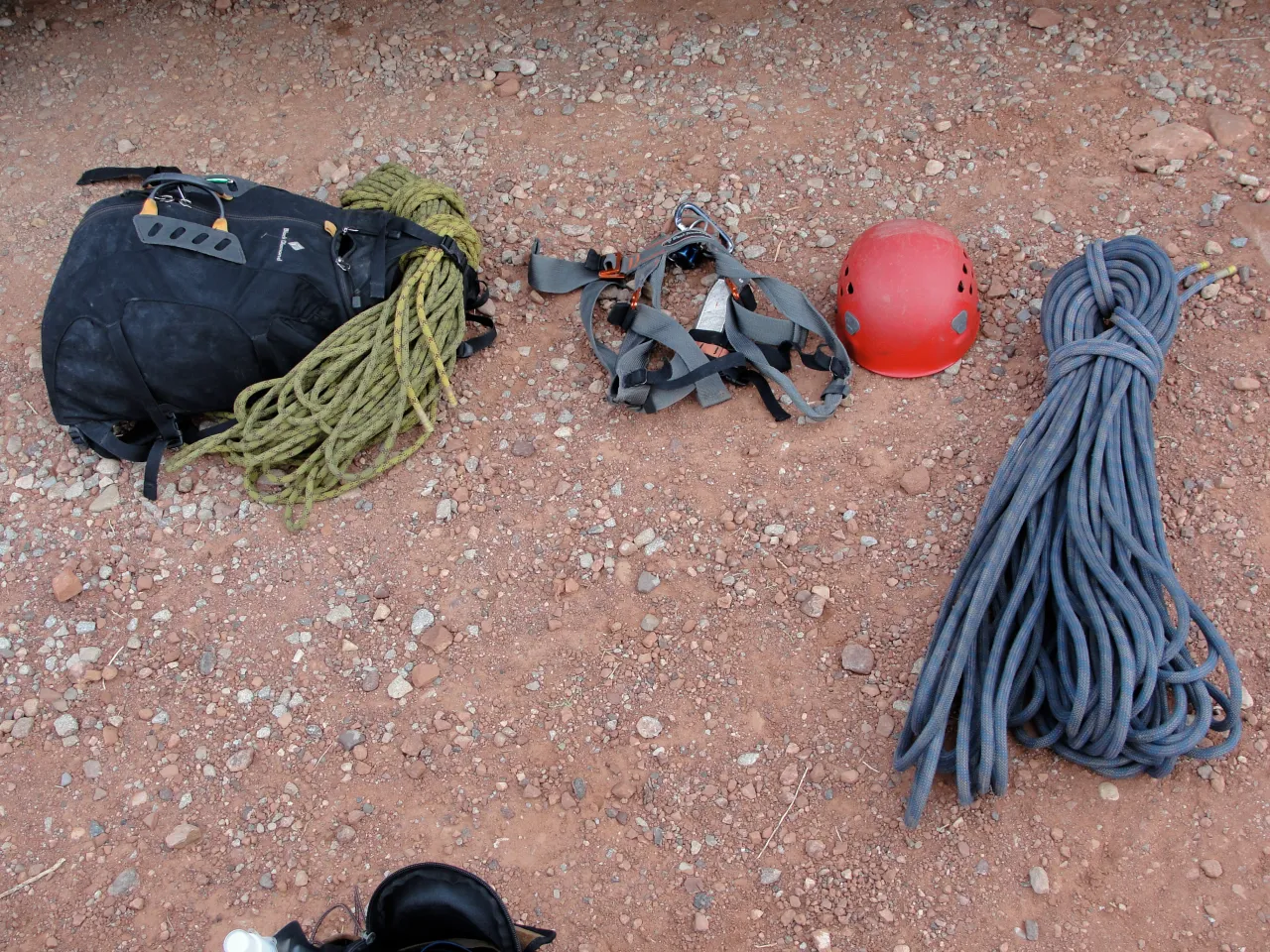
- Inspect crampons, ropes, and harnesses for wear before every season.
- Acclimate to altitude gradually; plan rest days into your itinerary.
- For ski tours, carry avalanche safety gear and know how to use it.
- Pack calorie-dense food that won't freeze solid in cold temps.
General Guidance for Adventure Seekers
Not every trip needs to be an epic. Some of the most rewarding days come from spontaneous detours — a side canyon in Canyonlands, a quiet beach at Deerfield, or an unplanned ridgeline scramble. Stay flexible, listen to your body, and remember that turning back is a skill, not a failure.
Quick Tips
Pack Light, Pack Smart
Every ounce counts on long approaches. Multi-use items — a buff, a lightweight tarp, a bandana — earn their place in your pack.
Know Your Route
Study topo maps and recent trip reports. GPS is helpful, but a paper map and compass don't run out of batteries.
Fuel Right
On big days, eat before you're hungry and drink before you're thirsty. Small, frequent snacks maintain energy better than one large meal.
Embrace the Early Start
Alpine starts aren't just tradition — they give you stable snow, cooler temps, and a margin of daylight for the unexpected.