Insulation
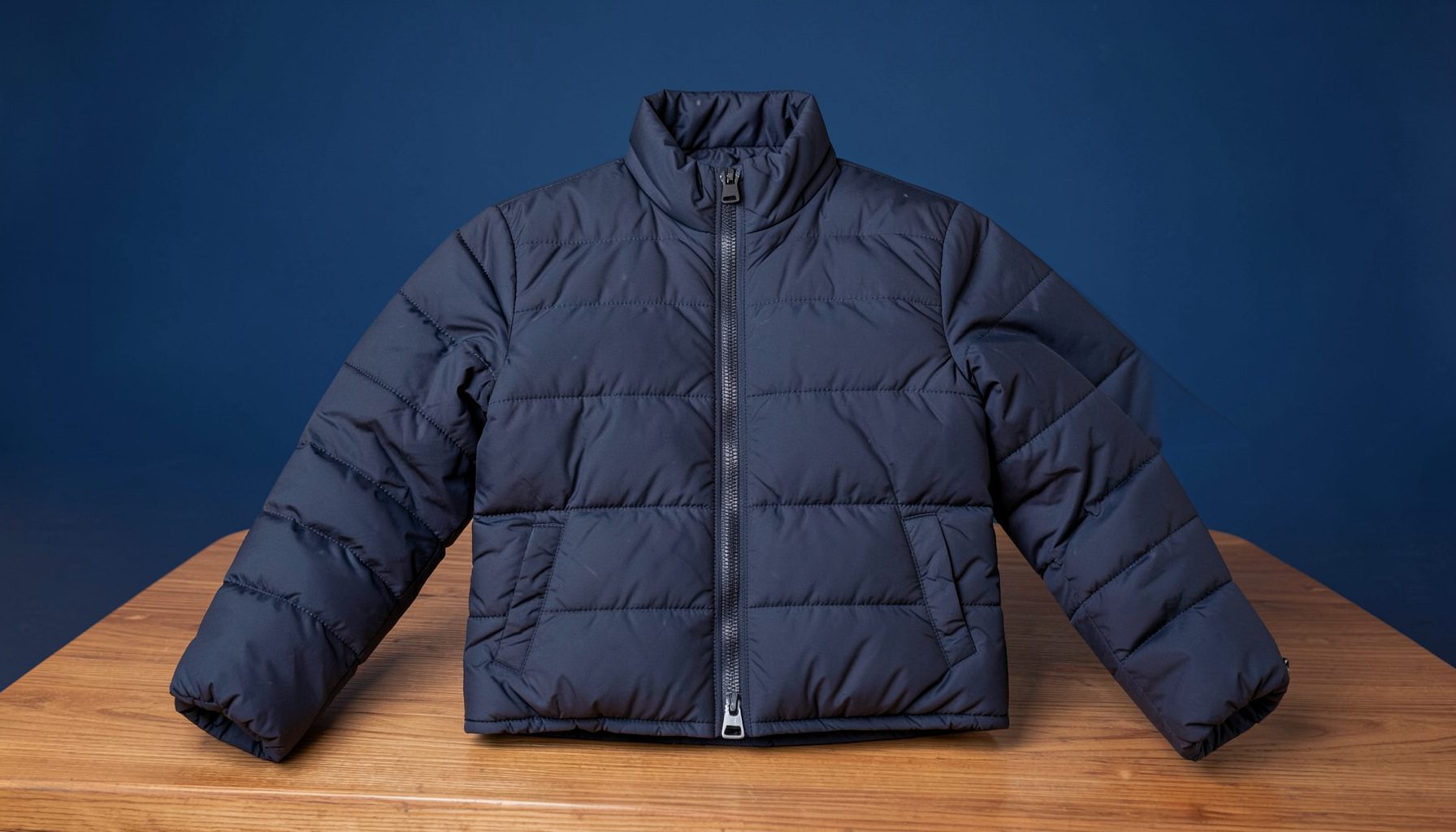
The North Face Thermoball Remix Jacket
A synthetic insulated jacket that handles wet conditions better than down. Worn through alpine approaches and chilly belay stints in the Cascades.
Read the full review →Honest, hands-on reviews of jackets, fleeces, and climbing equipment used on real adventures — from alpine summits to backcountry approaches.
Every piece of equipment here has been tested in the field — on Rainier's glaciers, in the North Cascades, and across Rocky Mountain National Park. These reviews reflect real-world use, not lab specs.
When it comes to backcountry skiing, the gear you carry can make the difference between a day of pure exhilaration and one spent fighting against your own equipment. The most critical layers are those that manage moisture while trapping warmth, especially during high-output ascents followed by chilly descents. A well-designed shell jacket should offer reliable weather protection without sacrificing breathability, while a mid-layer needs to insulate even when damp. For the skier who regularly transitions between skinning up and skiing down, versatility in clothing is not a luxury but a necessity. Every piece should earn its place in the pack through consistent performance across changing conditions.
Climbing equipment demands a different kind of scrutiny, where safety margins and durability take precedence over comfort. From the ice axe you trust to arrest a fall on a steep snow slope to the cams and nuts that protect a crack high on a granite face, each item must inspire confidence through its design and construction. The best gear often goes unnoticed because it simply works, allowing the climber to focus on movement and route-finding rather than fumbling with finicky hardware. This is why hands-on testing in real alpine environments reveals truths that spec sheets alone cannot capture.
Approach shoes and hiking footwear occupy a unique space in an adventurer's kit, bridging the gap between trail comfort and technical capability. A good pair should handle miles of rocky terrain while providing enough stiffness for scrambling on exposed ridges. The outsole pattern matters greatly when crossing wet slabs or loose scree, and a supportive chassis can prevent fatigue on long days with a heavy pack. Many outdoor enthusiasts underestimate how much their footwear influences their overall experience, from blister prevention to stability on uneven ground. Finding the right fit often requires trying multiple models in real-world conditions.
Packs and carrying systems have evolved significantly in recent years, with designers focusing on load distribution and accessibility without adding unnecessary weight. For multi-day ski traverses or alpine climbing objectives, a pack needs to carry gear securely while allowing quick access to layers, food, and safety equipment. The suspension system should transfer weight to the hips efficiently, keeping the shoulders free and comfortable during long approaches. Features like helmet carry, ice-axe loops, and avalanche tool pockets are not afterthoughts but essential integrations for backcountry travelers. A thoughtfully designed pack becomes almost invisible, letting the adventurer focus entirely on the line ahead.
A synthetic insulated jacket that handles wet conditions better than down. Worn through alpine approaches and chilly belay stints in the Cascades.
Read the full review →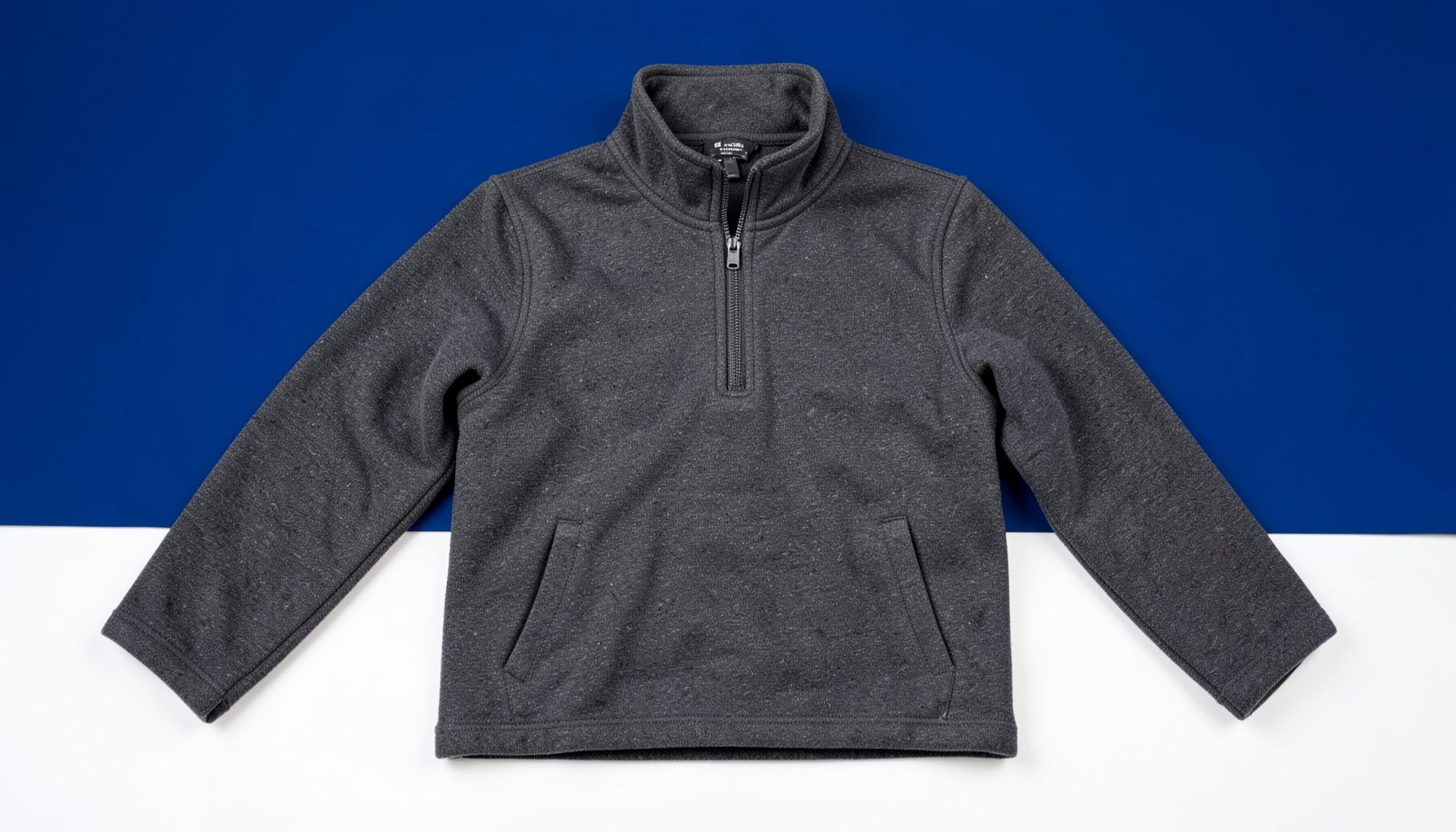
A lightweight, breathable fleece that became a go-to layer for ski tours and shoulder-season climbing. Excellent warmth-to-weight ratio for fast-moving days.
Read the full review →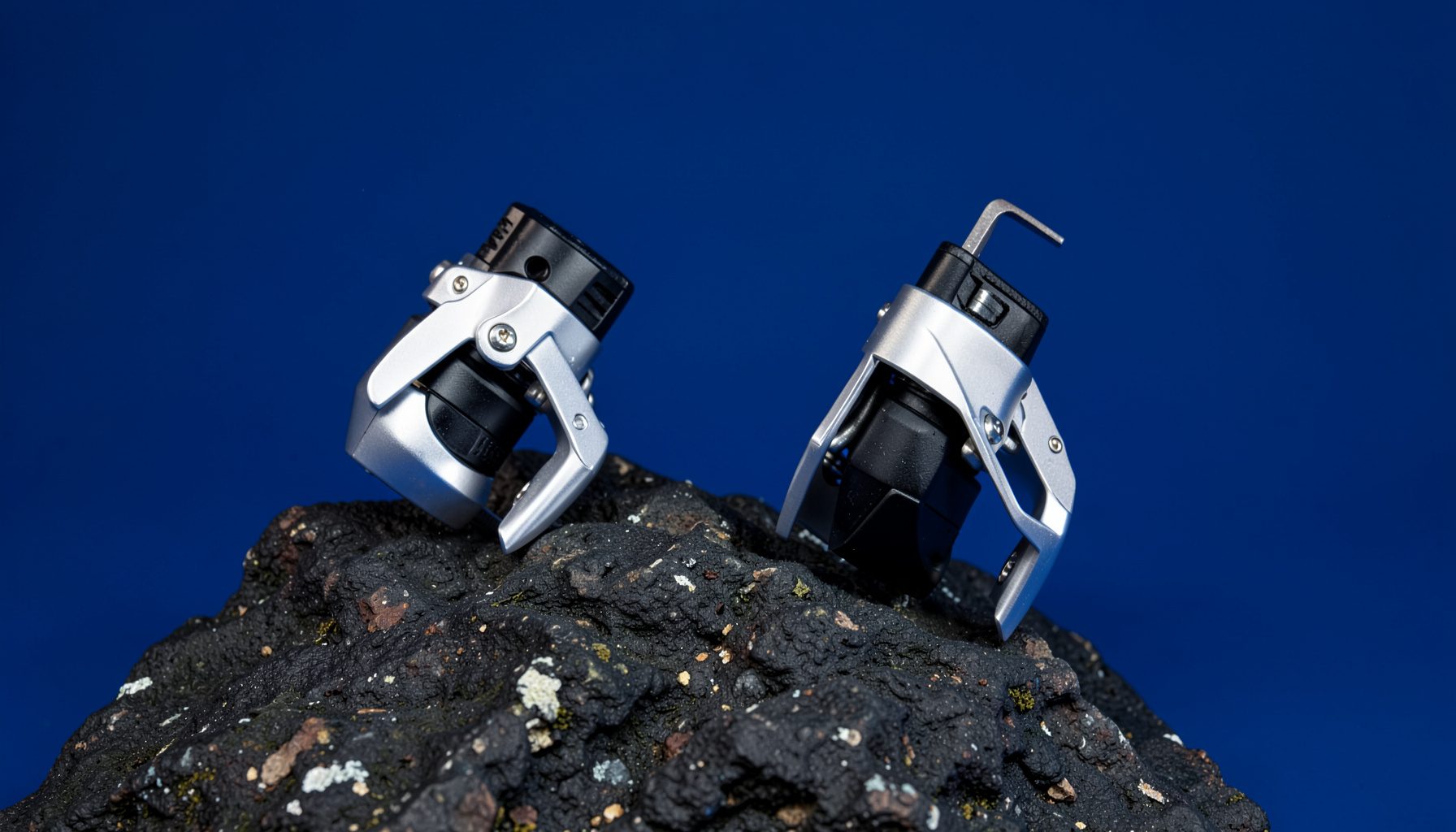
Classic 10-point steel crampons with horizontal front points. Reliable on Rainier's standard routes and mixed alpine terrain in the North Cascades.
Read the full review →